
Groups and buyouts
Group Events, Birthday Parties and Buyouts: An Operating Playbook
How a digital sports venue turns team building, birthday parties and full-venue buyouts into reliable revenue: what each of the three customer groups actually needs and how to combine space and equipment, per-session versus per-head pricing, calendar allocation and conflict management, circulation and privacy design, food and outside-cake compliance boundaries, safety and deposit rules, corporate account development and repeat business, differentiated school and family birthday programmes, tournament-style team building, systemised booking and redemption, and a phased ramp from the first booking to a steady pipeline.
In the revenue mix of a digital sports venue, walk-in tickets carry the daily cash flow, but the business that lifts average spend and margin is usually the trio of team building, birthday parties and full-venue buyouts. All three are multi-person bookings with a high order value, a whole block of occupied time and a strong repeat relationship — and all three demand completely different things. A walk-in customer needs a ticket and a machine that works; a buyout client needs space, flow, catering, supervision and a write-up good enough to post in the company channel.
This guide takes the three segments one at a time: what each one wants, how to configure space and equipment, how to set prices, how to allocate the calendar, how to design circulation and privacy, where the compliance line sits for food and outside cakes, how to agree safety and deposits, how to win corporate clients and keep them, how to differentiate school business from family birthdays, how to design tournament-style team building, how to systemise booking and redemption, and finally a phased rhythm that takes a venue from zero to a steady booking pipeline. Group-event rooms follow a complete chain from design to profitability: space design is the starting point, pricing and packages determine the average spend, customer acquisition and productized operations determine order volume, and on-the-ground execution determines repeat business — this four-guide series covers the entire journey.
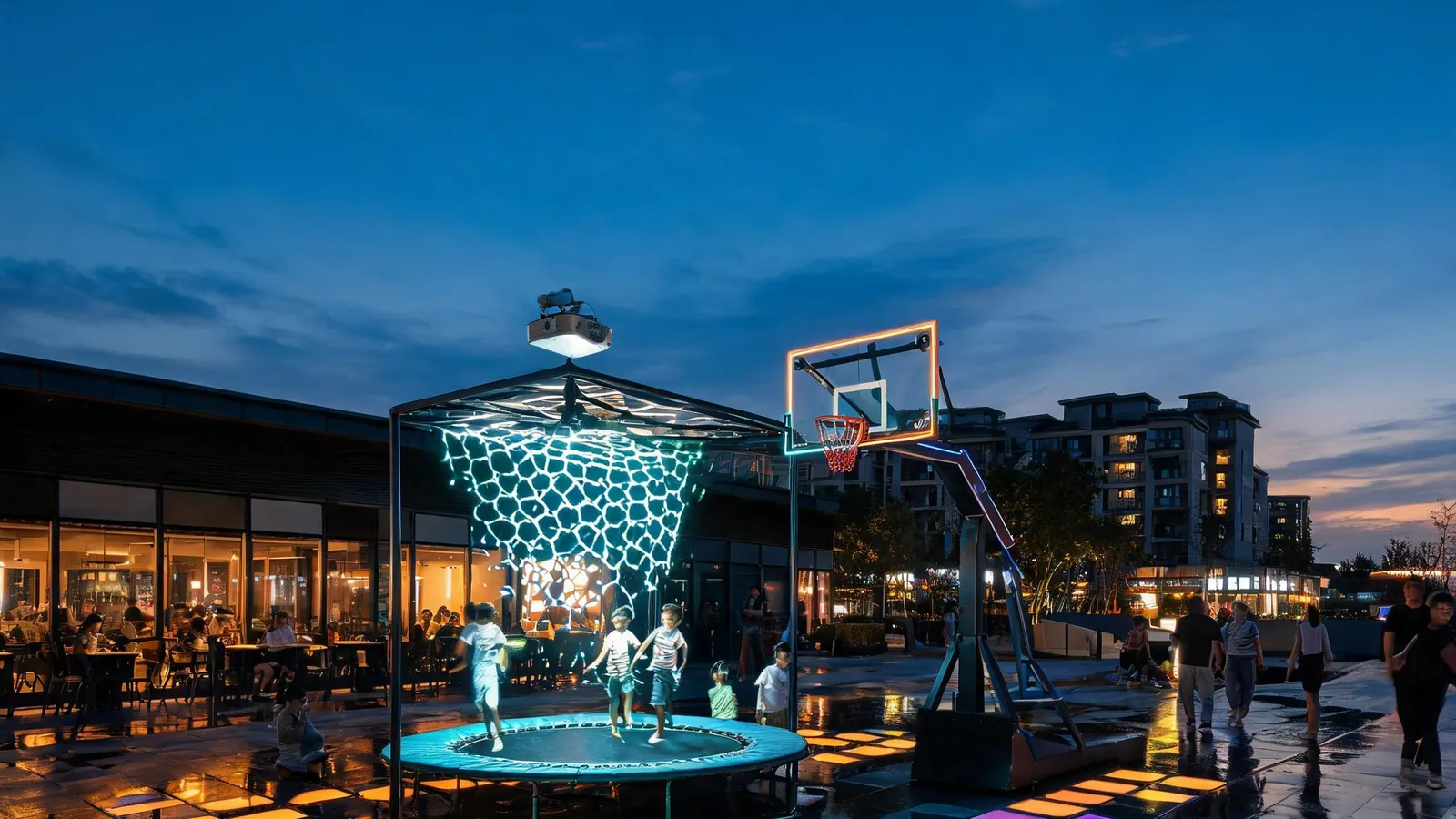
Segment breakdown and space configuration: what each group needs, and how to lay out the room
**Corporate team building** is fundamentally about being worry-free and never flat. The organiser is usually an admin or HR lead who dreads a loose event where people stand around disengaged and someone still has to write the summary afterwards. They want a flow that splits people into teams automatically, runs head-to-head games, produces a leaderboard and finishes inside two hours — plus material they can photograph, drop into the company chat and reuse in a quarterly review. Price sensitivity is low, but the standard for process completeness and on-site execution is very high. **Birthday parties** are about making the child the star: the parent pays, the child judges the experience. Parents care about a private room, freedom to decorate, what happens to the cake and whether their child will bump into anything; the child only cares whether it is fun. The hard part is the age spread, because one party room may host a three-year-old and a twelve-year-old at the same time. **Buyouts** are about not being disturbed: annual company parties, brand pop-ups and class reunions want a whole block of time and their own entrance, they do not want walk-in traffic mixed in and they do not want spectators, and they will pay a premium for exclusivity — yet they are also the quickest to walk away from a renewal over one mixing detail.
The most economical approach is not to build one hall per segment but to **make one space switch between three modes**. Design the base layout around three capabilities: groupable, viewable and restable. Keep a central activity zone that holds ten to twenty people standing, because team briefings, birthday group photos and buyout openings all happen there; arrange equipment along the walls to create a loop-shaped circulation path; and put movable seating and a bag-drop area on one side so the zone converts quickly into a dining or cake station.
Layer the equipment in three tiers. The **team competition tier** carries the core team building formats — simulated archery, electronic darts, laser shooting, motion battles — all of which support team scoring by nature. The **young-child interaction tier** serves the small guests at birthday parties with interactive projection, motion games and soft-play climbing. The **spectator and photo tier** creates atmosphere, and a large simulator plus a big scoreboard screen is exactly the material people want to photograph. Three further items must be reserved and are routinely forgotten: storage for bags and gifts, dedicated power and projector connections because buyout clients often bring their own sound system, light boxes and slides, and closable partitions or roller shutters, which are both the physical basis of buyout privacy and the prerequisite for separating walk-ins from events. Money spent at fit-out saves far more trouble in operations.
- Team building buys process and scoring, birthdays buy a private room, buyouts buy a whole block of time and their own path
- One space, three modes: activity zone, loop circulation, movable seating
- Three equipment tiers, plus storage, external power and closable partitions
Pricing: per session or per head depends on what the customer is buying
Team building and buyouts suit **per-session pricing**: the customer is buying the right to this space for this block of time, headcount can flex within an agreed cap without changing the price, and anything above the cap is charged per head. This is transparent for the customer and controllable for the venue, because the time value of the floor is fixed and you are not renegotiating simply because the client arrived with twenty-five people instead of eighteen. Design sessions as two hours base plus hourly extensions, and set the extension rate above the base hourly rate so customers book enough time up front.
Birthday parties suit **per-head pricing plus packages**: parents are calculating cost per child, and the package bundles room time, unlimited play, basic decoration materials, food portions and supervision staff. Per-head pricing makes comparison easy for parents; a package lets you fold in decoration, catering and supervision, where marginal cost is low, and lift the average ticket naturally. Price children and accompanying adults separately so there is no argument when a whole extended family turns up.
Whichever model you use, hold three rules. **Show the price clearly on the quotation**, including overtime, cleaning, additional-person fees and equipment damage standards. **State the deposit and balance milestones** — the deposit locks the date and the balance is settled on arrival. **Disclose rescheduling and cancellation terms before booking**: how far ahead a free move is allowed and inside what window the deposit is forfeited. Put all three into your contract template and you will remove most of the disputes that follow.
- Team building and buyouts per session: two-hour base plus paid extensions, over-cap headcount charged per head
- Birthdays per head plus package: room, equipment, decoration, food and supervision bundled
- Three rules on every quotation: clear pricing, deposit milestones, reschedule and cancellation terms
Calendar management: sell the weekend peak at the highest price
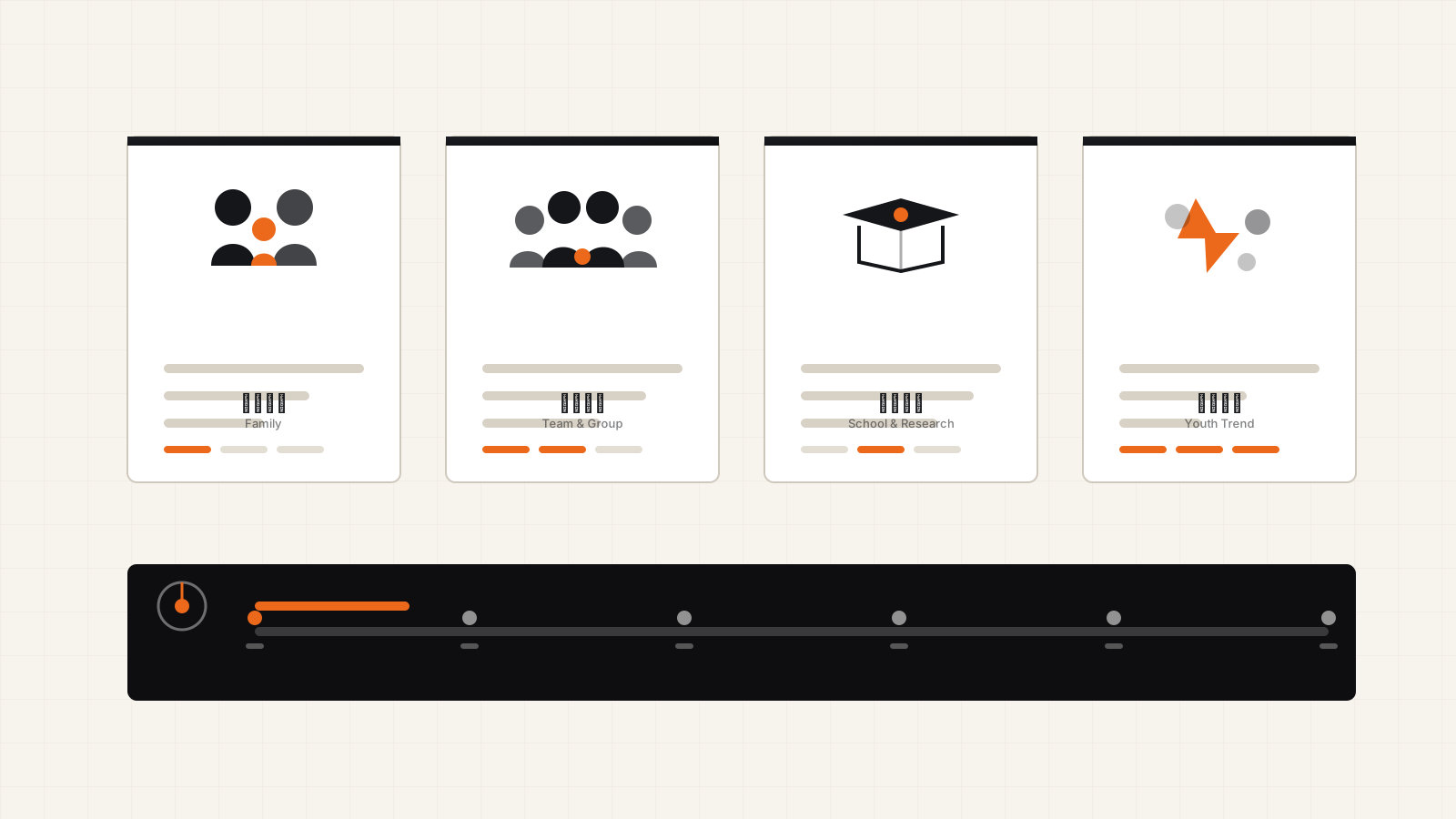
The buyout business is essentially **the allocation of time slots**. Weekend afternoons are the golden window that team building and birthday parties fight over, while weekday daytime is largely empty. The first principle is **tiered pricing**: weekend and holiday peaks go at full rate and are reserved for full-venue buyouts first; weekday daytime becomes a discounted tier for corporate team building and school groups; evenings form a secondary tier for birthday parties and gatherings. The price gap itself is a traffic regulator.
The second principle is **one slot, one booking, never oversold**. The worst failure in buyouts is two customers both believing they have the whole venue, then discovering on arrival that they must share. Cut the calendar into standard slots such as morning, afternoon and evening, and sell each slot to a single buyout client. When walk-ins and buyouts coexist, use closable partitions to define the zones and state on the booking page that part of the venue hosts an event during that window. Transparency costs far less than an explanation afterwards.
The third principle is **a visible calendar**. Manage everything in the booking calendar of your management system so that sales, front desk and on-site staff read the same schedule, which prevents the classic accident of a promise made in a chat that never reached the sheet. High-value last-minute buyouts need an approval rule: who may move a slot, and how the displaced customer is handled, whether that is a compensated reschedule or an upgraded entitlement. Agree the rule in advance and the floor stays calm.
- Tiered pricing: weekend peaks at full rate for buyouts, weekday daytime discounted
- One slot, one booking: standard slot cuts and partitions between walk-ins and events
- Visible calendar: sales, front desk and floor staff read one schedule
Circulation and privacy: the details buyout clients care about most
Eighty percent of a buyout experience is destroyed by circulation. The ideal path is a five-stage loop — **entrance, check-in, activity zone, rest and catering area, restrooms** — that avoids crossing the walk-in route. Where full separation is impossible, guarantee at least three things: guests are not watched on the way in, the event is not interrupted by passing traffic, and the exit is not blocked at the end. Put a dedicated check-in desk and signage at the entrance so arrivals know immediately where to go.
**Privacy works on two levels, physical and psychological.** The physical layer is closable partitions, drapes and zoned sound. The psychological layer is a single point of contact on site: the client only ever has to find one person, and that person coordinates equipment, catering and incidents instead of sending the client to negotiate with different departments. Buyout clients are highly sensitive to the feeling of being served, and one clear contact beats ten polite staff members.
**Leave room for the client to shape the atmosphere.** Birthday backdrops, balloons and string lights; team flags, banners and a prize table; brand materials for a buyout. The venue supplies the framework — fixable walls, hanging rails, stable surfaces — and the safety rules, which mean nothing blocking fire equipment, no open flame and no easily airborne materials, while the client decides the content. Neither design it for them nor let them compromise safety and the next booking.
- Five-stage loop: entrance, check-in, activity zone, rest and catering, restrooms
- Privacy on two levels: closable partitions plus one contact for the whole event
- Give the framework, not the content: fixable walls, hanging rails, clear safety lines
Food and outside cakes: draw the compliance line in advance
Catering is where buyout operations most easily cross a line. **Whether you run food in-house depends on your licences**: the scope of your food business permit determines whether you may prepare food at all and whether you may serve hot meals. Without the right licence, sell only pre-packaged food and drinks, or bring in a licensed external caterer. Never improvise a kitchen because a client wants hot dishes, since a single food safety incident can close a venue.
**Write rules for outside cakes and outside food.** Bringing a cake is a fixed requirement for birthday parties, so the sensible approach is to allow it for a cleaning and service fee that covers tableware, cutting and chilled storage, while limiting outside hot food, alcohol and any open flame beyond candles. Put the rules in the booking confirmation and have the client sign. This is not inflexibility; it states the boundary of responsibility before anything happens.
**Allergens and sample retention separate professionals from amateurs.** Mark common allergens on menus and packages, including nuts, dairy, egg and seafood; retain samples of in-house light meals and drinks as required; and prepare meals for children separately from adult meals. Clients may never see these habits, but when something goes wrong, whether you kept samples and whether you disclosed allergens changes the nature of the case entirely. Corporate admins routinely run background checks on suppliers, and these are the questions they ask.
- Catering follows licences: pre-packaged only without a permit, or partner with a licensed supplier
- Outside cakes allowed for a fee; hot food, alcohol and open flame written into the rules
- Allergen labelling and sample retention are the professional evidence corporate checks look for
Safety, deposits and insurance: put the hard words in the contract
Group events carry a far higher incident rate than walk-in play: children running, adults competing, alcohol in the mix. If any single link fails, someone gets hurt. **Safety rules must be short, visible on the wall and repeated at the start**: age and height limits for equipment, no climbing or reverse use, no running in the activity zone, and the supervision duty of accompanying adults. A one-minute briefing at the start does more than ten pages of disclaimers afterwards.
**Quantify deposits and damage standards.** Deposits on buyouts are standard practice, and what matters is spelling out the amount, the conditions and timing of refund, how damage is assessed, whether per component or on a depreciated whole unit, and how overtime and cleaning are charged. Customers accept an assessment they can check against a written standard, and a prompt refund is what keeps your reputation. A deposit is a behaviour constraint, not a profit centre.
**Insurance is the baseline.** Public liability cover for injuries on site is a precondition for taking corporate team building and school business, because many corporate procurement processes explicitly require a certificate from suppliers. Confirm cover separately for high-risk equipment, and state in event contracts that high-risk activities have been disclosed. A policy is not a cost line; it is the licence to take the booking.
- Short, visible safety rules: a one-minute briefing plus wall signage
- Quantified deposits: amount, refund terms, damage assessment, overtime and cleaning charges
- Public liability insurance is the entry requirement for corporate and school clients
Corporate accounts: from one team event to an annual framework
The value of a corporate client is not the first order, it is **repeat business and referrals**. The path usually starts with a single department team event. If that event runs smoothly and the wrap-up material is complete, you can move up to quarterly supplier and then to an annual framework agreement with fixed volume, fixed discount and priority dates. The one critical action on that path is **making the first order a showcase**.
What makes an order a showcase? Deliver three things within twenty-four hours of the event. First, **photos and video clips**, because the company wants them for its intranet and official channels. Second, **scores and ranking data**, which is the measurable output of team building. Third, **a one-page summary** covering attendance, activities, highlights and suggestions. The admin takes those three items to their manager, and you stop being a venue and become a partner who makes them look good.
On acquisition, B2B runs on **case studies and word of mouth**, not paid media. Turn past corporate events into anonymised cases covering industry, headcount, activities and client feedback, and put them on your website and in sales material. Build mutual referral relationships with local event planners, corporate service providers and park operators. Reward existing clients for referrals with extra time or a free activity next visit. Corporate buying is a relationship decision, and one real testimonial outweighs ten advertisements.
- Upgrade path: single event, quarterly supplier, annual framework agreement
- First-order handover: media assets, score data, one-page summary
- B2B comes from cases and referrals, not paid ads; reward client recommendations
Schools and family birthdays: two completely different playbooks
**Schools and educational institutions** want compliance, safety and measurability. For class outings, graduation season, club activities and holiday programmes, the first demand from the school or agency is that nothing goes wrong and the paperwork stands up. Prepare a full package: equipment safety credentials, insurance certificates, teacher-to-supervisor ratios, grouping and score records, and a written debrief afterwards. Price is rarely the obstacle, because schools have activity budgets, but the process must survive an audit.
**Family birthdays** want ease and ritual. Parents decide on four questions: can I have a private space, what will the children play, what will they eat, and how much do I have to organise. The productised answer is all-inclusive, covering decoration, unlimited play, light meals and cake service, dedicated supervision and photo coverage, so parents only bring the guests. Age banding matters: preschool groups need soft play and early-years interaction games, primary-age groups want competition and obstacle challenges, and mixed-age sessions need cooperative formats where older children lead younger ones.
Both segments share a **clear repeat cycle**. The school term and holidays set a natural rhythm, and a birthday happens once a year but brings the parents of the whole class. Turn schools into term agreements and birthdays into a refer-a-friend benefit, and both businesses keep rolling. One caution: never mix them in the same slot, because the order schools require and the free atmosphere of a birthday party undermine each other.
- Schools check compliance: credentials, policy, supervision ratios, score records, written debrief
- Birthdays go all-inclusive: decoration, play, food, supervision, photos, so parents just bring guests
- Never mix slots: school order and birthday atmosphere cancel each other out
Tournament-style team building: turn play into competition
The moment team building most often goes flat is when nobody knows what to do. The answer is to **run it as a tournament**: set three to five activities, split into four to six teams, rotate, accumulate points and finish with an awards ceremony. Once the format exists, behaviour follows the rules on its own, and no host needs to keep calling people over because the team captain does it. Digital sports equipment is a natural fit, because scores and timing come out of the system automatically.
There are three design points. **Make activities work across fitness levels**, since pure strength events push some people out, so mix skill events such as archery and darts, reaction events such as motion challenges, and team events such as relays and cooperative scoring, so everyone has a contribution point. **Keep rotation smooth** by matching the number of stations to the number of teams and avoiding queues, at roughly eight to fifteen minutes per team per activity. **Give the awards a ceremony**, with big-screen rankings, trophies or medals and a group photo, because that is how the outcome becomes tangible.
The extended value of the format is that it is **reusable**: the same rules can become a corporate league with several companies, a monthly champion night or a family sports day. Once the format is stable, the sales pitch stabilises too, because a mature six-team rotation that finishes in two hours and produces scores and rankings is far more credible than an offer to plan something for the client.
- Tournament format: three to five activities, four to six teams, rotation, points, awards
- Activities across fitness levels: skill, reaction and team events give everyone a role
- A reusable format: corporate leagues, monthly champions, family sports days
Systemised booking and redemption: hand memory-based work to software
Once buyout volume grows, chat threads and paper will fail: double-booked dates, unrecorded deposits, headcount that differs from the agreement, overtime nobody timed. **Systemising the booking step** is the dividing line. Customers choose a slot and a package online and pay a deposit, the date locks automatically and a confirmation goes out automatically, and sales, front desk and floor staff all see the same record so the information gap disappears.
**Check-in redemption and timing belong in the system too**: scan to check in and confirm headcount, let the system time the session and warn as the end approaches, and generate overtime charges automatically. Time equipment by zone so that during a rotation you can see at a glance which team is on which machine. This data is not only a management tool but the basis for review: which package is chosen most, which slot has the highest vacancy rate, which customer type renews best.
The Venue Smart Management System (¥58,000) includes five modules — ticketing, membership, tournaments, points and data analytics — and runs buyout booking, deposits, redemption, timing, tournament scoring and member entitlements in one place. A booking immediately reserves the slot, check-in immediately redeems it, and the system produces the bill and the report when the event ends. For a buyout business, what it saves is precisely the labour most prone to error.
- Systemised booking: choose slot and package online, pay a deposit, the date locks automatically
- Redemption and timing in the system: scan check-in, overtime alerts, automatic billing
- Data feeds back: package preference, slot vacancy rate, customer renewal rate
Phased rollout: from handling one booking to handling a full week
**Stage one: take the booking.** Get one standard package working end to end, with a fixed slot, a fixed headcount cap, a fixed equipment mix and a fixed price, and serve a single segment, preferably birthday parties or small department team events. The goal at this stage is not profit but process validation: booking, decoration, briefing, rotation, catering and wrap-up. How many people and how long each step needs will be obvious after ten events.
**Stage two: manage the calendar.** Once orders cluster on weekends, introduce slot tiers and staffing rosters: peaks sell to buyouts, secondary slots to birthday parties, weekday daytime to corporate team building. On the floor, shift from everyone on deck to one person per station plus extra hands at peak. The core metrics here are **slot utilisation** and **labour per event**: the first sets your revenue ceiling and the second sets your margin.
**Stage three: replicate.** Package the working offer, quotation, contract template, execution checklist and safety rules into standard documents that a new hire can follow, then assess a second site or a second product line. Scaling a buyout business is not about selling more tickets; it is about **the same process being executed repeatedly without drift**. Only once that holds can team building, birthday parties and buyouts become a stable revenue pillar for the venue.
- Stage one, take bookings: one package, one segment, ten events to validate the process
- Stage two, manage the calendar: slot tiers and one person per station, watching utilisation and labour per event
- Stage three, replicate: standardise the package and checklists; no scale until the process holds
FAQ
Can a venue run team building, birthday parties and buyouts at the same time?
Yes, but in separate slots. The three customer groups have different expectations of atmosphere and management order, and mixing them in one window tends to ruin all three. Allocate by tier: weekend peaks go to full-venue buyouts first, secondary slots to birthday parties, and weekday daytime to corporate team building and school groups. When walk-ins and buyouts coexist, define the zones with closable partitions and state it on the booking page in advance.
Should a buyout be charged per session or per head?
Per session is more sensible for team building and buyouts, because the customer is buying exclusivity of time and space, headcount can flex within the agreed cap without changing the price, and anything above the cap is charged per head. Per head plus a package is more sensible for birthday parties, because parents can compare easily and the venue can bundle decoration, catering and supervision, where marginal cost is low, to lift the average ticket. Either way, publish the price and spell out overtime, extra-person and cleaning charges.
Can customers bring their own cake and food?
Yes, but set rules. A cake is a fixed requirement for birthday parties, so allow it for a cleaning and service fee while the venue provides tableware, cutting and chilled storage. Limit outside hot food, alcohol and open flame beyond cake candles, and put the rules in the booking confirmation for the client to sign. Your own catering capacity depends on the scope of your food business permit: without the right licence, offer only pre-packaged food and drinks, or bring in a licensed external supplier.
How should a buyout deposit be set and refunded?
Set the amount according to venue scale and equipment value, and above all quantify the rules: refund conditions and timing, how equipment damage is assessed, whether per component or on a depreciated whole unit, and how overtime and cleaning are charged. Put all of it in the contract. Customers accept an assessment they can check against a standard, and a prompt refund is what preserves your reputation. The deposit constrains behaviour and should not be treated as a source of profit.
What qualifications are needed to take corporate team building?
Two items are most often requested by procurement: equipment safety credentials and a public liability insurance certificate. Corporate purchasing usually includes a supplier admission review, and a missing policy means immediate disqualification. In addition, prepare a standardised event proposal, safety briefing, supervision ratio statement and post-event written summary template, because those materials determine whether you are a venue or a partner who helps the client look good.
How do you supervise events with many children?
Set supervision posts according to a headcount ratio and state the rules clearly at the start: age and height limits for equipment, no climbing or reverse use, no running in the activity zone, and the supervision duty of accompanying adults. The young-child area should sit where sightlines are unobstructed, with padded edges and daily checks of emergency stop devices. For mixed-age sessions, design cooperative formats where older children lead younger ones, which works better than simply adding more staff.
What if the calendar keeps double-booking?
Cut the calendar into standard slots such as morning, afternoon and evening, sell each slot to a single buyout client, and manage the booking calendar in one system so sales, front desk and floor staff read the same schedule. Last-minute high-value buyouts must go through an approval rule, and the handling of the displaced customer must be agreed in advance, whether that is a compensated reschedule or an upgraded entitlement. Most double bookings come from a promise made in a chat that never reached the sheet.
Does a buyout business need extra staff?
Not at the start. Once the standard package works, roster on the principle of one person per station plus extra hands at peak: one contact serves the client throughout, and other roles such as equipment guidance, catering and supervision are added per event. Real efficiency comes from standardisation, because putting decoration, briefing, rotation and wrap-up into an execution checklist lets a new hire run it, which is more sustainable than keeping a large permanent team.
How long does it take to make buyouts a stable revenue line?
Think in three steps. The first stage uses around ten events to validate the process and learn how many people and how much time each step needs. The second stage introduces slot tiers and rosters, watching slot utilisation and labour per event. The third stage standardises the package, quotation, contract and execution checklist, then assesses replicating to a second site. The real test is not revenue per event but whether the same process can be repeated without drift.
RELATED
 Digital sports venue operations and repeat-visit playbook
 Group-Event & Party Room Customer Acquisition and Productized Operations Guide
 Delivering a digital sports park in a shopping mall
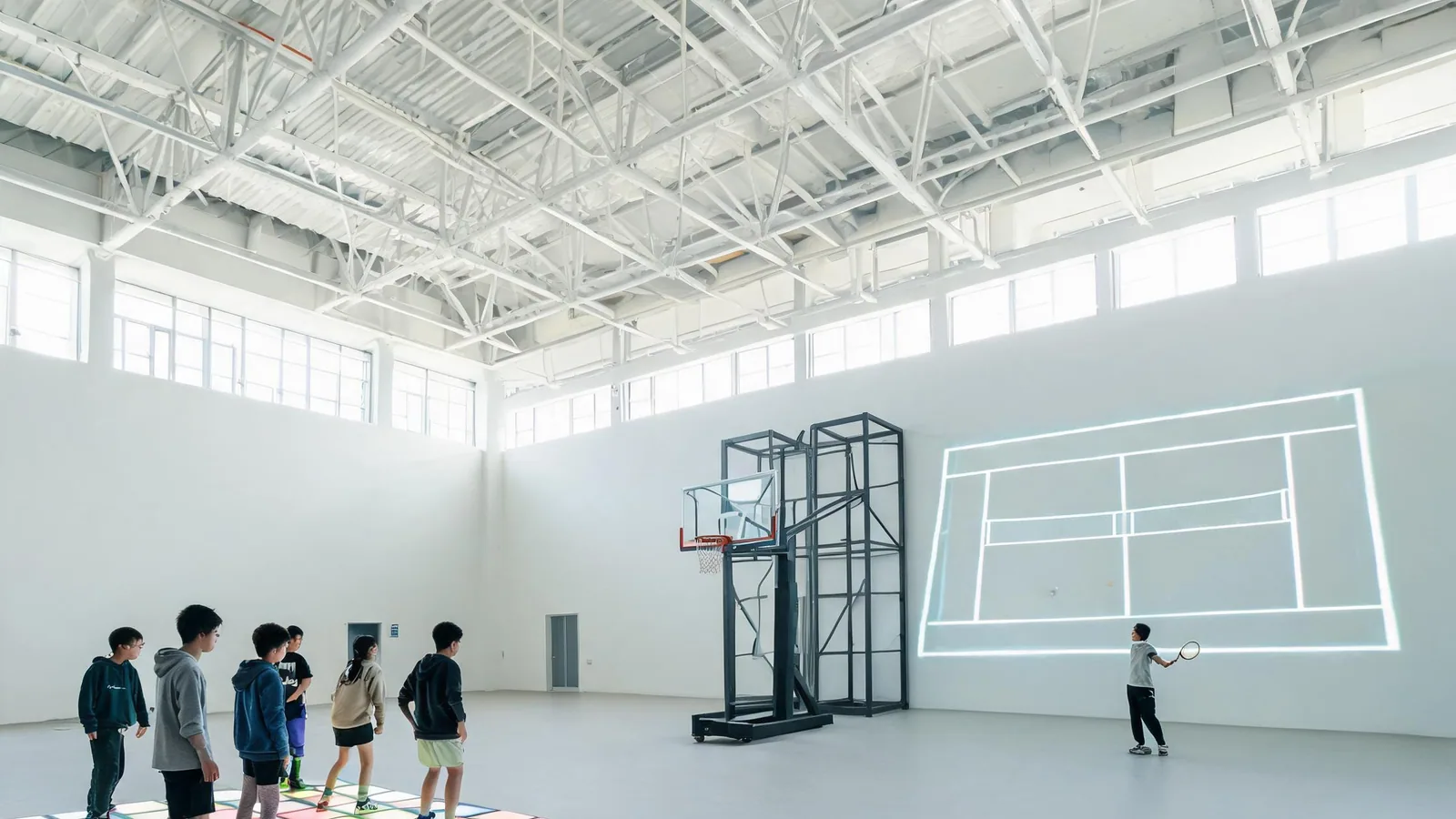 Planning and operating a digital sports venue in a sports park
 Group-Event & Party Room Pricing and Package Design Deep Dive
 Group Event & Party Room Physical Space Design Guide
 Arcade Community Store: The First Step Abroad
CONTACT
Send us your event requirements
Share your floor area, target customer groups and expected number of events, and we can suggest a buyout package structure, calendar tiers and equipment mix for reference. Operations is the final link in the chain; the space design, pricing packages, and productized acquisition that come before it together set the ceiling for what operations can achieve.
2026-11-11