
Operating rhythm & metrics
Digital Sports Venue Operations Handbook: Rhythm and Metrics from Opening to Steady State
Installing equipment is only the beginning. This operations handbook covers what to prepare in the 30 days before opening, the three-stage marketing rhythm across the first 90 days, how to structure roles and shifts for daily operations, how ticketing and membership systems should be configured, and the eight core metrics that show whether a venue is healthy along with the action each one implies.
Many venues follow a parabolic opening curve: the first month spikes on novelty and local advertising, the second month declines, the third month settles at the real level and then flatlines. The problem is rarely equipment — it is operating rhythm. The opening peak is not converted into members, and no fixed event cadence is established.
This handbook follows the timeline: what to prepare in the 30 days before opening, how to run the first 90 days, and how to sustain steady state. It closes with eight metrics that can be reviewed weekly. Every recommendation points at the same goal: turning one-off novelty into a sustainable repeat-visit structure.

30 days before opening: lock down what must be decided
**Staffing and shifts** should be recruited and trained three weeks before opening. Roles typically fall into four groups: front desk and ticketing, floor guidance and safety patrol, equipment maintenance, and events plus social media. Many venues merge safety patrol with maintenance, which becomes a risk at peak times; keep dedicated safety patrol during peaks.
**System configuration** covers four modules: ticketing, membership, tournaments and loyalty. The full chain must be tested before opening: online purchase, on-site redemption, entry timing, equipment linkage, points settlement, membership capture. Any broken link on opening day directly damages reputation.
**Pricing and ticket types** must be finalised and tested before opening. Common types include single timed entry, parent-child package, family package, group booking and stored-value membership. Lower is not better: pricing too low makes later increases extremely difficult.
**Safety and compliance** covers equipment acceptance records, safety notices and liability disclosure, emergency plans and drills, and insurance. These are legal prerequisites, not optional extras.
- Recruit and train three weeks ahead; keep dedicated safety patrol at peaks
- Test the full chain: ticket, redemption, timing, equipment, points, membership
- Finalise and test ticket types and pricing; avoid locking in low prices
- Equipment acceptance, safety notices, emergency plans and insurance in place
The first 90 days: a three-stage rhythm
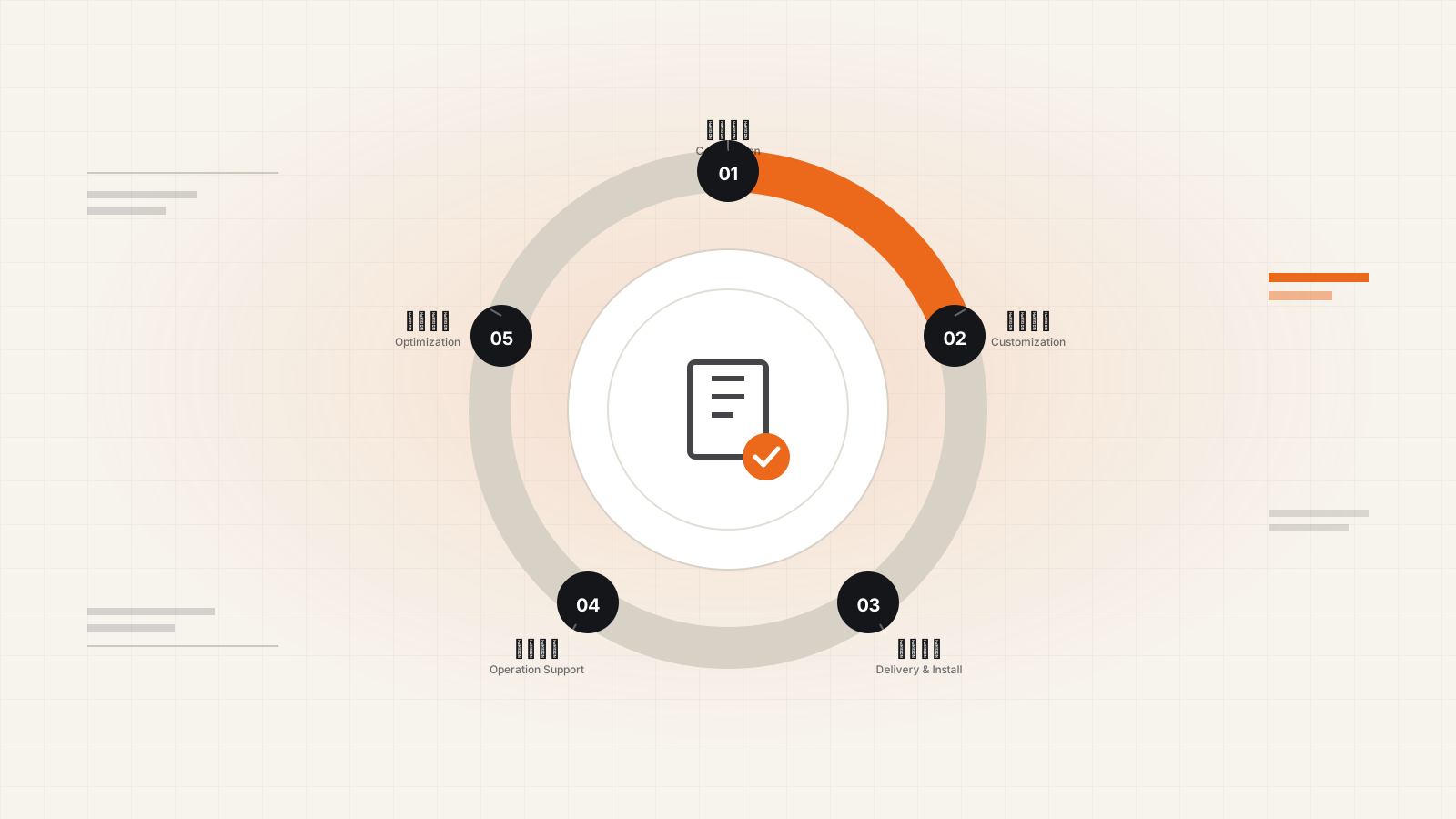
**Weeks 1–2 build awareness.** The goal is maximum first-month exposure and visitation: local lifestyle platform listings and advertising, creator visits, cross-promotion with cinemas, restaurants and children's activity providers, and opening events such as first-week discounts and family challenges. This stage is not about profit; it is about visitor volume and content assets.
**Weeks 3–6 convert.** The goal is turning visitors into members: on-site stored-value pitching, clear membership benefits, return-visit vouchers and community building. This is the decisive stretch for lifting the whole curve — if the first two weeks' visitors leave no contact details and do not become members, all later marketing has to buy traffic again.
**Weeks 7–12 establish cadence.** The goal is a fixed event calendar: weekly tournaments, monthly leaderboard settlement, family-themed events and corporate team-building promotion. A fixed cadence lets customers form the expectation that something happens when they come, which is the psychological basis for repeat visits.
- Weeks 1–2 awareness: local ads, creators, cross-promotion, opening events
- Weeks 3–6 conversion: stored value, member benefits, return vouchers, community
- Weeks 7–12 cadence: weekly tournaments, monthly leaderboards, family themes, corporate bookings
Daily operations: roles, shifts and floor management
**Staffing** follows area and traffic. A 500–1,000 sqm venue typically needs 6–10 people; 1,500–3,000 sqm needs 12–20. The core principle is "people on the floor at peak, people on the system off-peak" — peaks need guidance and safety patrol, off-peaks need data work and member maintenance.
**Shift design** should match the traffic curve rather than distributing staff evenly. Weekday daytime is low, so minimal cover is enough; after school and weekends are peaks and need more people. The most common scheduling error is staffing every day identically, which wastes labour off-peak and starves the peak.
**Floor management** comes down to three things: keep circulation unblocked, keep equipment running, keep safety tight. Circulation relies on zoning and wayfinding, equipment on inspection and spares, safety on patrol and disclosure. Fail any of these and even excellent equipment will be buried in bad reviews.
- 500–1,000 sqm: about 6–10 staff; 1,500–3,000 sqm: about 12–20
- Match shifts to the traffic curve; do not spread staff evenly
- Floor priorities: unblocked circulation, running equipment, tight safety
Eight metrics to review every week
**Visitors** and **conversion rate** are entry metrics: how many come in and how many pay. Low conversion points to circulation, pricing or guidance problems. **Average ticket** and **average dwell time** are value metrics: low ticket points to ticket mix or secondary spend, low dwell to insufficient experience depth.
**New members** and **member repeat rate** are structural metrics: low acquisition means conversion actions are missing, low repeat means content and events have no cadence. **Revenue per square metre** and **equipment utilisation** are efficiency metrics: low revenue per sqm points to tenant mix, low utilisation to equipment configuration and circulation.
Every metric must map to an action, otherwise tracking is meaningless. Low average ticket leads to adjusting ticket bundles and secondary-spend points; low repeat rate to adding tournament cadence and member benefits; low equipment utilisation to repositioning or replacing underperforming machines.
- Entry: visitors, paid conversion rate
- Value: average ticket, average dwell time
- Structure: new members, member repeat rate
- Efficiency: revenue per sqm, equipment utilisation
- Each metric maps to one specific action
Steady state: shift from acquisition to structure
Three months after opening, the marginal cost of acquisition rises sharply. Operations should shift from buying traffic to adjusting structure: raising the member share, increasing repeat frequency, increasing secondary spend and optimising the equipment and tenant mix.
There are two structural levers. **Member structure**: stored-value members typically visit far more often than walk-ins, so converting walk-ins into stored-value members is the highest-return action. **Time-slot structure**: weekday daytime is universally empty traffic, and can be filled with corporate team building, school study programmes and parent-child classes, turning idle hours into revenue.
The third lever is equipment refresh cadence. A partial refresh at 24–36 months is not only about newness; it gives members a reason to come back. Refresh should have a theme, communication and event support, otherwise it is just money spent on hardware.
- Shift from buying traffic to adjusting structure: member share, repeat frequency, secondary spend
- Convert walk-ins to stored-value members — highest return action
- Fill weekday daytime with team building, study programmes and classes
- Pair equipment refresh with theme and events, not hardware alone
FAQ
How many staff does a 1,500 sqm venue need?
Typically 12–20, depending on opening hours and peak requirements. Roles split into front desk and ticketing, floor guidance and safety patrol, equipment maintenance, and events plus social media. The key is not headcount but whether enough people are on the floor during peaks for guidance and safety patrol.
How deep should opening discounts go?
Keep discounts within roughly 30%–40% off and time-limited; avoid long-term low pricing. Deep discounts attract price-sensitive audiences who churn quickly after the promotion and anchor the normal price low, making later increases very difficult. Prefer extras, extended time or family bundles over direct price cuts.
How should stored-value membership be designed without damaging cash flow?
Control the bonus ratio and usage restrictions. Common practice is a 10%–20% bonus, defined validity and scope, and exclusion from stacking with other discounts. An excessive bonus turns prepayment into a liability and lowers the effective average ticket.
What if weekday daytime traffic is too low?
This is an industry-wide pattern, filled by three business lines: corporate team building and away days, school study programmes and off-campus practice, and parent-child classes or childcare. These carry higher ticket values at fixed time slots and fill the weekday gap. Build the channels and product packages in advance rather than hunting for customers after the gap appears.
Does a high equipment failure rate affect operations?
Yes, and invisibly. A single machine down creates circulation congestion, degrades experience and increases bad reviews while reducing revenue per square metre. Establish daily inspection, weekly maintenance and spare-parts stock, and put frequently failing machines at the top of the refresh list.





CONTACT
Request an operating rhythm plan for your venue
Share the area, tenant mix, target audience and opening date. We will return a 90-day opening rhythm, a staffing framework and baselines for the core metrics.
2026-11-12